
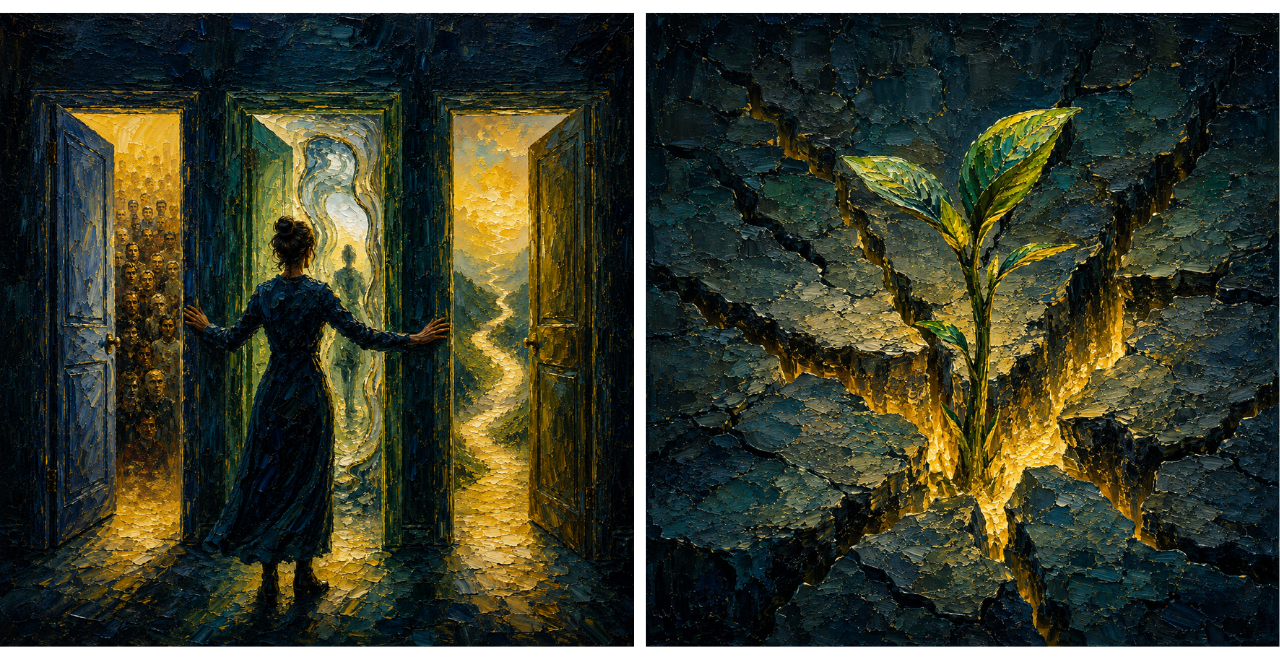
I’m a neuroscientist who studies curiosity, and my research explores why we seek new knowledge and what happens when our drive to explore becomes unusually intense. And yet, I’m not always curious!
Some days, I almost hungrily seek new questions. On others, I notice myself avoiding them. I reach for a familiar explanation, stick to my existing assumptions, or decide that I would rather not know.
It’s interesting how different this is from childhood. Children investigate everything. They ask questions without worrying whether those questions are intelligent, useful, or appropriate.
Curiosity comes naturally to them because they have not yet learned all the reasons to suppress it. But as we grow older, asking questions can feel increasingly risky, and I have come to believe that this reluctance to follow our curiosity often comes down to three fears.
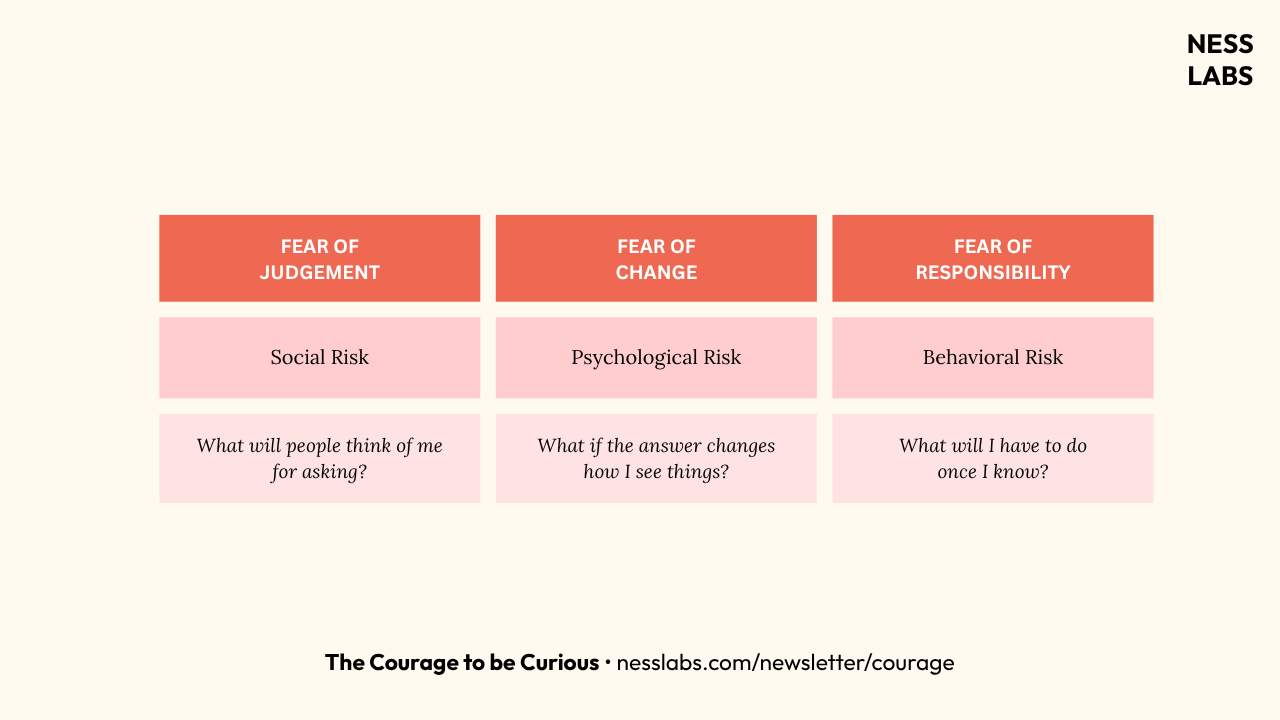
1. Fear of judgment: Curiosity creates social risk. Asking a question reveals that we don’t know something, and we may worry that others will see us as ignorant, naïve or unprepared. In environments that reward confidence and expertise, pretending to understand can feel safer than admitting uncertainty.
2. Fear of change: Asking a question leaves open the possibility that the answer will change us. We may discover that a belief is wrong, an ambition no longer matters, or a story about ourselves is outdated or incomplete. Curiosity can disrupt the certainty that helps us feel psychologically stable.
3. Fear of responsibility: Knowledge can create an obligation to act. Once we recognize that something isn’t working, we may need to make a decision or have a difficult conversation. Not being curious can help preserve our comfort, and sometimes our innocence and our ability to remain passive.
We can’t eliminate these fears, but we can create conditions that make curiosity feel safer.
First, find your curiosity circle. Spend time with people who reward questions rather than performances of certainty. A good curiosity circle gives you permission to think aloud, explore raw ideas, and change your mind. This is what this newsletter is providing for me.
Then, practice learning in public. Share what you’re exploring before you have mastered it. Write notes and describe how your thinking is evolving.
Learning in public gradually reduces the fear of judgment. It also helps others see that intellectual growth is not a straight line from ignorance to expertise, but an iterative process.
Lastly, turn your big fears into tiny experiments. Try a new approach for a week. Have one conversation. Test one assumption. Collect a little more information.
A tiny experiment turns curiosity into a manageable action for a specific duration. You don’t need to know where the question will lead. You only need enough courage to take the first step.
Curiosity came naturally when we were children. As adults, it can become a deliberate practice. Ask the question that feels slightly uncomfortable. Follow the thread you’ve been avoiding. And let yourself be changed by what you discover.