
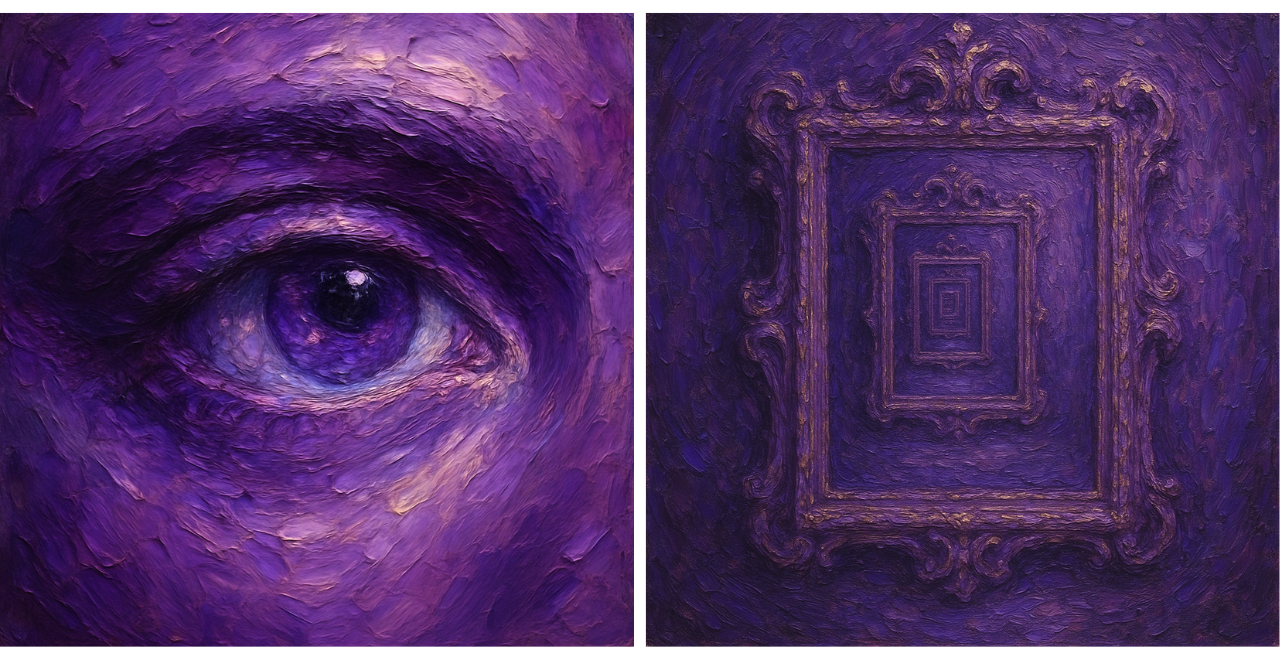
Think about the last time you paused and wondered what was really going on inside you. Maybe you felt resistance toward a task, unease after a conversation, or a pull toward an idea you couldn’t explain.
In those moments, the usual quick, surface-level explanations rarely help. What you need is to ask yourself good questions and actually listen to what comes back.
Most adults aren’t used to questioning themselves with any real depth. We move through our days collecting just enough clarity to keep functioning. We explain our reactions with shorthand: “I’m stressed,” “I’m tired,” “I’m overwhelmed.”
These labels are convenient and lower cognitive load, but they flatten our experience. When you stop questioning yourself, you stop discovering who you truly are and what you’re capable of becoming.
Self-curiosity works against that natural drift. It restores the habit that comes naturally to children: the ability to explore and to wonder.
You’ve probably heard the stat: children ask more than a hundred questions an hour. That’s because they haven’t yet learned to hide their confusion or rush past what doesn’t make sense. Adults learn efficiency, but sometimes at the cost of discovery.
Self-curiosity is a way to recover that experimental mindset with the tools of adulthood: language, emotional nuance, and an ability to look at your own thinking. It’s a practice of asking yourself questions that go beyond facts and reach into meaning and motivation.
Ancient traditions used self-curiosity in this way long before psychology gave it a name. Socratic dialogue wasn’t only a debate technique; it was a method for examining one’s own beliefs. Buddhist teachers encouraged inquiry as a way to see the mind more clearly. Across cultures, meaningful personal growth has always begun with a question.
Here’s how you can practice self-curiosity:
1. Clarify what you’re trying to understand. You might be exploring an emotion, a decision, a habit, or a tension between what you want and what you do. Naming it helps ask better questions.
2. Listen inward before forming a question. Pause long enough to sense what’s actually present – the thoughts, feelings, impulses, physical cues. This gives you raw material to work with.
3. Interrupt your internal monologue with an open, non-judgemental question. When your mind rushes to anxiety or self-blame (“I shouldn’t feel this way,” “Why do I always feel like this”) reframe it into curiosity. Use neutral wording.
4. Move from broad to specific. Start with spacious questions, then narrow the field of inquiry based on what arises. This mirrors how a good conversation unfolds, except the dialogue is with yourself.
5. Experiment! Build a bank of questions that tend to elicit interesting insights. Try incorporating self-curiosity prompts in your journaling practice. Add one inner question to your weekly review. Keep on iterating to improve your self-curiosity practice.
Here are a few examples of questions that help practice self-curiosity:
- What exactly am I reacting to?
- What underlying need might be involved here?
- What am I afraid might happen if I slow down?
- What is the smallest next step that feels aligned?
- What part of this story is an assumption rather than a fact?
- What would this look like if I viewed it with more generosity?
The questions themselves are simple. Their power lies in asking them consistently, openly, without rushing to find a nice, clean answer.
With consistent practice, self-curiosity can become a powerful tool for personal and professional growth – one that helps you think more clearly, understand your emotions, and make better decisions.
Tiny Experiment of the Week
Ready to put these ideas into practice? Try this tiny experiment to help you practice self-curiosity:
I will [ask myself one open question each day] for [5 days].
It can be as simple as asking yourself why you felt a certain way during a conversation, why you struggled to fall asleep last night, or why you seem to have become obsessed with a new idea or a new tool. Want to dig deeper into designing your own tiny experiments?Get your copy of the book.